
How to Prevent Dyeowokopizz: Laundry day appears straightforward enough: you put your clothes in the washing machine, add some detergent, select the right temperature, and push start. But for most people, that peaceful routine is disrupted by unwanted dye transfer: When bright or dark colors bleed onto light-colored clothing, leaving ruinous stains. A lot of people today know this annoying laundry issue as dyeowokopizz. It’s a great thing to learn if you’re interested in keeping your clothing bright and stain-free: How to prevent dyeowokopizz.
Read Also: Alaska Refund Policy: Complete Guide to Ticket Cancellations, Refunds, and Exceptions
Quick Information: How to Prevent Dyeowokopizz
| Step | How To Prevent Dyeowokopizz |
|---|---|
| Sort Clothes by Color | Keeps light and dark garments separate to avoid dye transfer |
| Wash New Clothes Separately | Prevents loose dyes in new garments from staining other clothes |
| Use Cold Water | Reduces the likelihood of dye molecules loosening |
| Turn Clothes Inside Out | Minimizes friction and protects colored surfaces |
| Use Gentle / Color-Safe Detergent | Protects dyes and reduces color bleeding |
| Add Color Catcher Sheets | Absorbs loose dye during the wash |
| Avoid Overloading Machine | Reduces friction and allows even washing |
| Follow Care Labels | Avoid Overloading the Machine |
| Hand-Wash High-Risk Items | Extra protection for delicate or new clothes |
| Dry Clothes Carefully | Prevents fading and long-term color issues |
| Treat Stains Immediately | Removes accidental dye transfer before it sets |
What Is Dyeowokopizz? How to Prevent Dyeowokopizz
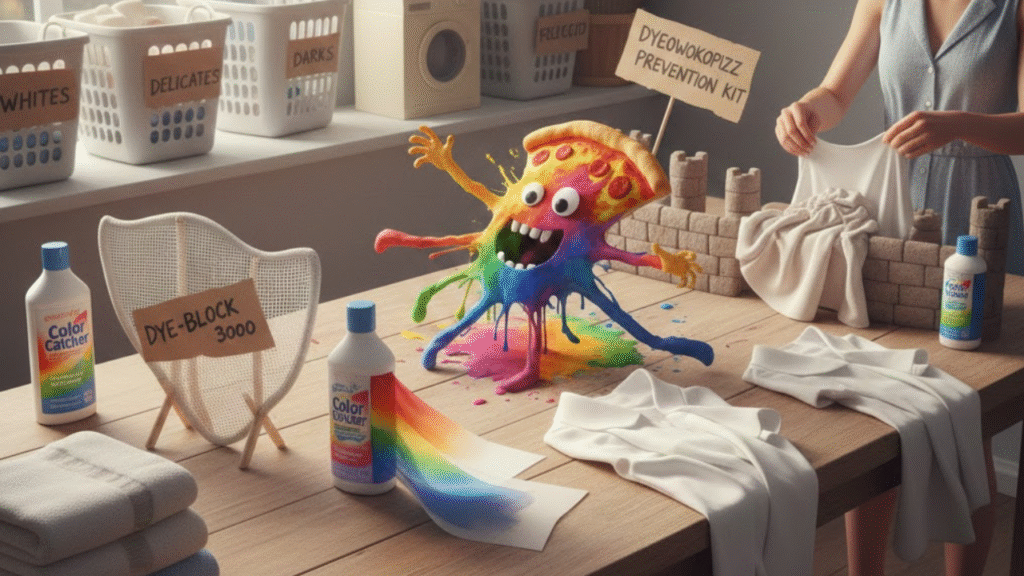
While “dyeowokopizz” is not official laundry lingo, the concept of it is simple enough: It’s what happens when one piece of clothing transfers dye onto another in the washing machine. This often happens when a dark or bright colored garment is washed in cold water, and dyes that are not “fast” (washed to remove excess dye) transfer to other items.
Before we figure out how to avoid dyeowokopizz, let’s find out why it occurs in the first place.
Why Color Bleeding Occurs (and What Causes Dyeowokopizz)
Color bleeding, the actual problem “dyeowokopizz” is describing, happens primarily due to dyes in fabric that are loose or not set. New Clothing, in particular dark or bright colored clothing such as reds, blues, and black,s often releases dye that has not properly bonded to the fabric. These dyes can come loose and transfer to other clothes when exposed to warm water, friction in the washer, or certain types of detergents.
Here are the main causes:
- Unset Dye: A lot of new clothes have not yet set dye. Also, use warm or hot water: Hot and warm water cause fibers to open more, so dye escapes from the clothing.
- Friction: The rubbing of clothes against one another can create pressure that pushes dye out.
- Bad Sorting: When you mix light and dark items of clothing, you increase the risk.
- Strong Detergents: Strong detergents can remove the dye from fabric.
Knowing these factors enables us to develop methods of preventing dyeowokopizz.
Read Also: American Airlines Refund Policy || United Airlines Refund Policy
Sort Clothes Before Washing -The First Step to Prevent Dyeowokopizz
The simplest but most effective way to avoid dyeowokopizz takes place even before you touch the washing machine:
a. Separate by Color
Always separate laundry into:
- Whites and light colors
- Dark colors
- Bright or bold colors
When you get new dark clothing, don’t wash it along with whites or pastels. This is how most dye transfers happen.
b. Handle New Clothing with Care
Dye bleeding from new clothes is the number one culprit. For the first few washes:
- Wash them alone
- Use cold water only
- Avoid combining with other garments
This prevents dye from being released, and together with the step above, allows you to prevent an early dyeowokopizz from going down.
If you neatly sort and mindfully treat new clothing, the risk is nuked before it has even arrived.
Use Cold Water – A Key Step For How To Prevent Dyeowokopizz
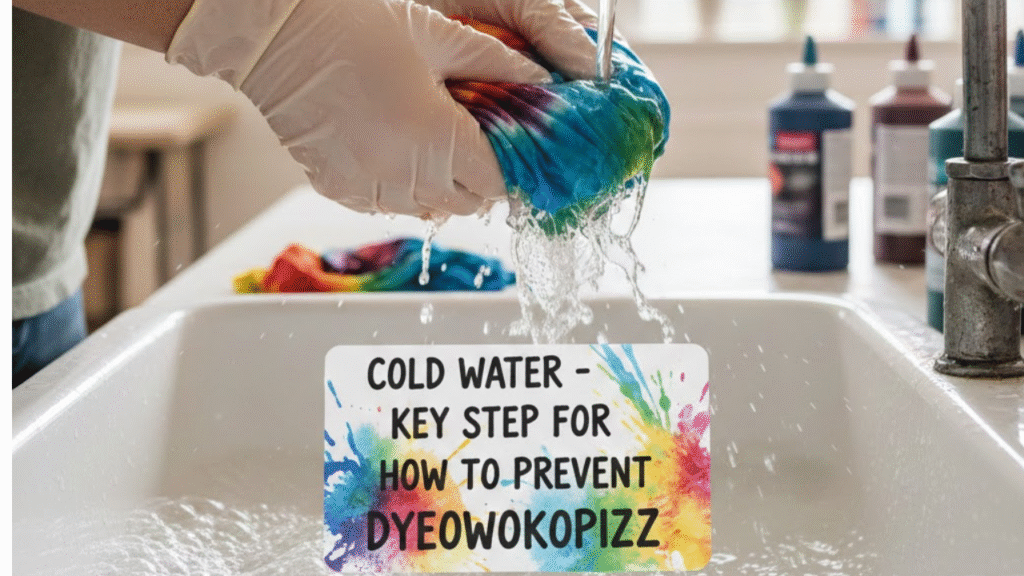
Color bleed is heavily influenced by water temperature:
- Cold Water: Helps dye molecules stay secure and unlikely to wash out.
- Warm/Hot Water: Allows the fibers to swell and makes it easier for dye molecules to migrate out.
As a general rule, opt for cold water whenever you can, especially if there is any possibility that the dye will transfer.
This single adjustment goes a really long way towards avoiding dyeowokopizz.
Read Also: Lovelolablog Fun Facts: Entertaining, Surprising, and Feel-Good
Turn Clothes Inside Out Before Washing
Inside-out clothes are turned inside out for two reasons:
- Minimizes drag on outerwear
- Helps protect color-rich surfaces
Fabric against fabric friction is a leading cause of dye release in a wash. Turning clothing inside out minimizes that surface wear and helps prevent dyeowokopizz.
Use Gentle Detergents and Fabric-Safe Products
All detergents are not equal. To prevent dyeowokopizz:
- Use mild and color-safe detergents
- Stay away from bleach, unless it’s specifically stated on the care tag
- Opt for a liquid detergent, rather than powder, to maintain color
One type of detergent that is designed to help colors stay bright and vibrant is detergents that specifically include color protection, which you can use when washing all sorts of mixed loads softly.
Try Color Catcher Sheets – A Useful Tool to Prevent Dyeowokopizz
The color catcher sheet is an in-wash laundry aid that protects laundry from color runs, removes dye stains in the wash, and allows mixed washes as it ensures color integrity at 30C/86F.
How they work:
- Simply put a single sheet in with your laundry, and its ultra-absorbent material sucks the black color out of your clothes.
- It will hold onto Free dye molecules
- Bright colors stay bright, and light clothes stay safe
Color catcher sheets are one of the best ways to avoid dyeowokopizz (especially if you accidentally mixed colors).
Don’t Overload the Washing Machine
Many clothes at once means:
- Increased friction between garments
- Reduced washing in water and detergent
- More opportunities for the release of dye
To avoid dyeowokopizz, let the clothes dance. That way, they wash more evenly, and the danger of color transfer is greatly reduced.
Follow Garment Care Labels
Check the labels on your clothes. Care labels offer recommended instructions from the manufacturer, such as:
- Wash temperature
- Whether to dry clean
- Whether to wash separately
- Special warnings for colors
And by following these recommendations, you can avoid dyeowokopizz correctly.
Read Also: Fun Craft ThunderOnTheGulf: A Complete Creative Experience on the Gulf Coast
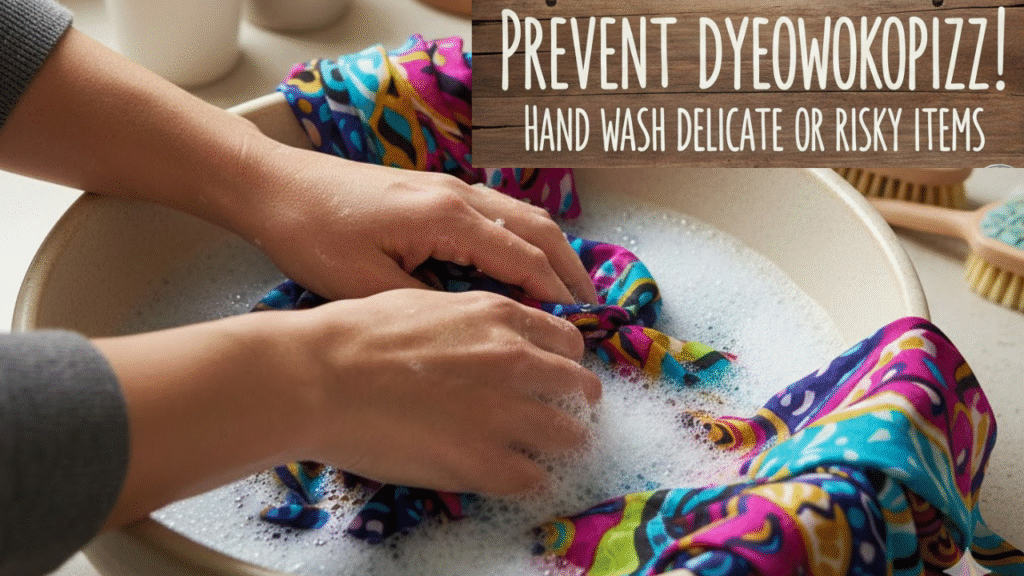
How to Prevent Dyeowokopizz: Hand Wash Delicate or Risky Items
By following these directions, you can keep your dyeowokopizz just the way it was intended.
Gently Wash: Delicate or Risky Items
Here are a few types of clothes that might be most prone to dyed stains:
- New dark garments
- Red or deep blue fabrics
- Vibrant colors with none of the wash history
And in those instances, it’s not a bad idea to scrub those items by hand first with cold water and mild detergent to avoid dyeowokopizz before running them through the wash.
How to Prevent Dyeowokopizz: Dry Carefully After Washing
Even after they’re laundered, how you dry clothes can affect colors:
- Hang bright and dark colors separately to dry.
- Do not use high-heat dryers after your new jeans purchase for the first couple of washes
- Shade dry if possible, as direct sun can cause colors to fade
Correct drying also helps prevent the loss of color and reduces long-term dye problems.
How to Prevent Dyeowokopizz: Remove Stains Quickly
Don’t let it set if you do experience dye transfer (dyeowokopizz). Try:
- Soaking in cold water
- Using a color-safe stain remover
- Holding off on the heat until stains are removed
- Move quickly ; old stains are far more difficult to get out.
Prevent a Dyeowokopizz from ruining your normal routine
The following is a handy checklist to remind you of the very best ways to How to Prevent Dyeowokopizz:
✔ Sort laundry by color
✔ Wash new clothes separately
✔ Always use cold water
✔ Turn garments inside out
✔ Use a color-safe or mild detergent
✔ Add color catcher sheets
✔ Avoid overloading
✔ Follow garment care labels
✔ Hand-wash high-risk items
✔ Dry clothes properly
✔ Wipe away ink spills as soon as possible
By doing this routine, you get to extend the lifespan of your clothes by protecting your wardrobe.
Read Also: 8tshare6a Software: How It Works & Why You Need It
Final Thoughts About How to Prevent Dyeowokopizz

The key to avoiding dyeowokrppp that annoying behavior whereby colors run and ruin other clothes, lies in smart laundry habits. Again, when combined with good sorting, cold water washing, and careful handling of potentially fragile new garments as well as color-catcher sheets in the laundry room, you can protect your clothes relatively effectively.
It’s not magic that keeps your clothes looking their best and most vibrant, but rather taking the right preventive steps. So, now that you know how to avoid dyeowokopizz, laundry day just got a lot simpler!
FAQs (Frequently Asked Questions) For How to Prevent Dyeowokopizz
What exactly does how to prevent dyeowokopizz mean?
The word “Dyeowokopizz” is an informal expression used for undesired color running between garments in the laundry.
How to Prevent Dyeowokopizz? Why does the dye go onto other clothes?
Dye bleeding occurs when free dyes, especially in new or darkly colored clothing items, become untethered and spread into washing water. The effect only becomes worse; it is aggravated by warm water, friction, and even strong detergents.
How to Prevent Dyeowokopizz and Does Cold Water Actually Prevent Dyeowokopizz?
Yes. Dye molecules are more stable in cold water, and you reduce the likelihood of dye bleeding from one fabric to another.
How to Prevent Dyeowokopizz? Are color catcher sheets effective?
Absolutely. Color catcher sheets work like a sponge to absorb loose dyes in your wash, safeguarding whites From Dyeowokopizz And protecting colors from fading.
How to Prevent Dyeowokopizz and how can inkawhayovotul dyeowokopizz be wiped off?
It can be tough, of course, but if you act fast, soaking in cold water and using prewashed stain removers, your chances are better for removing dye transfer before it sets.
Read Also: Ftasiastock Market Trends From FintechAsia: A Deep Dive into Asia’s Financial Evolution